Mount Everest vs K2: Which one is harder to climb? This question is an age-old debate among mountaineering communities. Climbing two of the world’s famous and legendary peaks-K2 and Mount Everest is the ultimate dream of many mountaineers.
Can a beginner mountaineer easily climb Mount Everest? How many people successfully climbed K2 and Mount Everest? Mount Everest Vs K2: Which one is the more deadly mountain?
This article compares the difficulties faced during expeditions to K2 and Mount Everest. We will explore their key differences and determine whether Mount K2 or Mount Everest is more challenging to climb and why…..?
Mount Everest vs K2: The Key Differences
What characteristics make these mountains apart? In which country is K2 located? How many camps are there on Mount Everest?
To answer these questions, let’s examine the geographical differences of K2 And Mount Everest:
Location
K2 and Mount Everest are in two of the world’s most inconceivable mountain ranges. Having two base camps, Mount Everest has an easy route for successful climbing. Mount Everest has a South Base Camp, situated in Nepal, with a height of 5364m, and a North Base Camp, at 5150m. On the other hand, K2, standing at an elevation of 8611m, is regarded as the world’s second-highest peak. It is situated in the Karakoram Range of Pakistan.
Height
Mount Everest is considered the world’s most altitudinous mountain, standing at an altitude of 8,849 measures( 29,032 bases) above the ocean. In contrast, K2, the world’s second-highest mountain at an altitude of 8,611 ( 28,251 bases), is a more challenging peak due to its specialized challenges.
Why k2 base camp is more challenging to climb than Everest base camp?
Steep and Technical Terrain
K2’s pitches are significantly steeper than Everest’s, requiring advanced specialized skills. The mountain has several grueling sections, similar to the House’s Chimney, Black Aggregate, and the Bottleneck, where rovers face nearly perpendicular ice and gemstone walls.
Changeable Weather
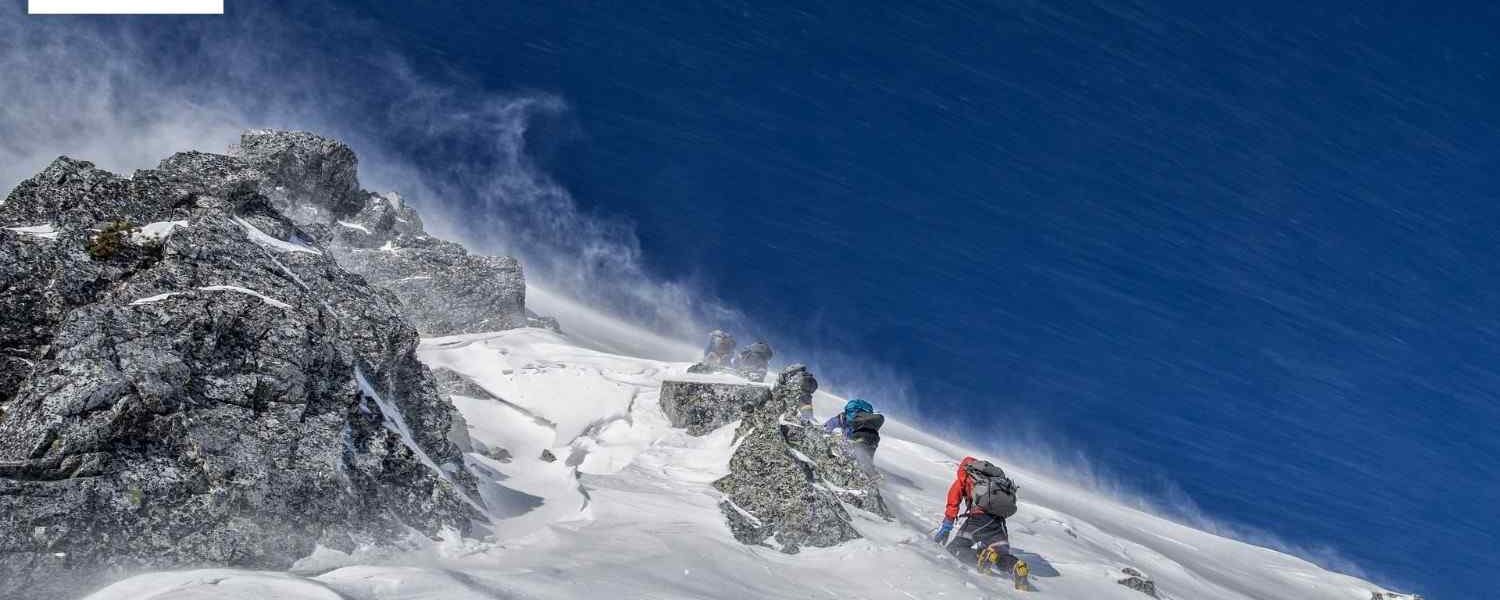
K2’s rainfall is ignominious for being extremely harsh and unpredictable. Storms can last for days, and rovers frequently face unforeseen whiteouts or violent winds during the climbing season. The Karakoram Range, where K2 is located, gets colder and harsher rainfall than the Himalayas.
No Support from Sherpas or Fixed structure
Unlike Everest, where marketable peregrinations have created a well-established climbing route with ropes, graduations, and Sherpa support, K2 offers no similar luxuries. Rovers must calculate on their chops, making it a far more isolated and dangerous rise.
High Fatality Rate
How many people have died climbing K2? K2 death rate, the loftiest death rate of any 8,000-cadence peak, historically at around 25%. For every four rovers who peak, the bone doesn’t return. Crucial troubles include avalanches, falling ice, and prostration on the descent.
Shorter Climbing Window
K2 has a critical narrower climbing season, primarily in June and July, with slightly less severe rainfall. Outside of this, climbing becomes nearly insolvable.
K2 is widely recognized as one of the world’s most challenging mountains. Due to its irregular and narrow peaks, climbing K2 requires technical expertise, physical fitness, and mental preparation.
Mount K2 Vs. Mount Everest: Base Camp Trek Difficulty
Mount Everest Base Camp Trek
Mount Everest, at 8848m, is considered one of the world’s most iconic peaks. Because its fatality rate is low, most climbers successfully reach their destination by reaching the top of Mount Everest. Those who want to turn their dreams of achieving the top of a peak mountain into reality must go there because Mount Everest has a smooth and easy route. The casualty rate may be due to the harsh climatic conditions and severe landslides.
K2 Base Camp Trek:
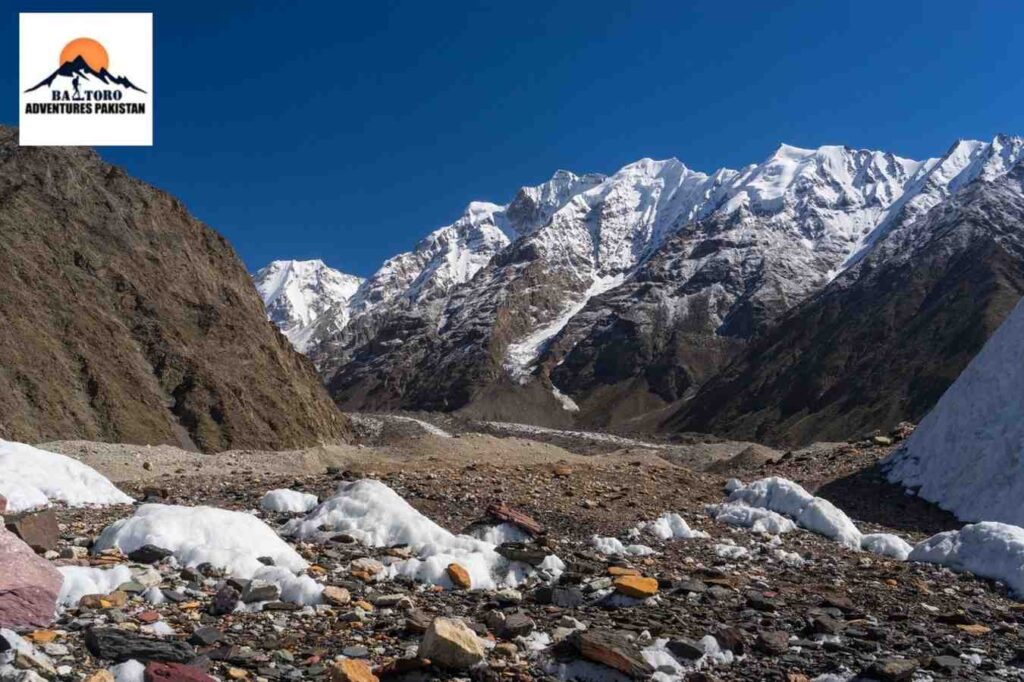
Covered with heavy snow and changing weather conditions, climbers need help reaching their peak. Many trekkers end their journey meeting with the K2 base camp, but some adventure seekers want to achieve a higher reputation and deadly success. The summer season attracts more climbers to capture the beauty of this hazardous mountain, K2, but in most cases, the chance of an accident or K2 death rate during climbing becomes high.
K2 Vs. Mount Everest: Which Is Easily Accessible?
Number of Climbers Annually
Mount Everest:
Mount Everest is considered the world’s tallest mountain and offers easy and smooth hiking, climbing, and trekking routes. Climbers require little physical preparation and technical abilities to climb this mountain. Approximately 800 climbers attempt to climb Everest every year, and approximately 95% of them successfully and efficiently achieve their goal of reaching the top of the mountain and turning their high dreams into reality.
K2:
In discrepancy, K2 climbing is taught by roughly 300 rovers every time. The K2 Base Camp Trek demands proper medication for climbing, including regular exercise and adaptation, walking and running to enhance cardiovascular abidance, and passing short altitude climbing and hiking conditioning. While growing in fashionability, the journey to K2 Base Camp remains far less crowded, feeding primarily to seasoned comers seeking solitariness and challenge. High altitude, changeable rainfall conditions, roughed and imbalanced shells, snowy peaks, and glacier crossing are the significant pitfalls a rambler must face during the K2 Base Camp Trek.
Why Is K2 Less Safer than Mount Everest?
The primary reason for this question is that the lack of well-established infrastructure, fixed ropes, and ladders makes climbing or hiking more adventurous and horrible for trekkers and mountaineers. Climbers have a very tough time overcoming these challenges. Mountaineering experience, mental satisfaction, and patience are extreme preparations for fighting these high-altitude challenges.
Thus, both mountains require challenging physical, technical, and mental preparation for climbing. Although K2 is more difficult to climb than Mount Everest, the latter also has unique and advanced limits that mountaineers should be able to cross for a successful and adventurous trek. In addition, climbers should adopt cardiovascular endurance, high-altitude techniques, and patience to reach their ultimate destination.
Furthermore, Baltoro Adventure also offers K2 Expedition and the essential training for trekking and climbing the K2 peak. For further information, you can contact us on social media.
FAQs:
Which mountain is hard to climb: K2 or Mount Everest?
Although considered the world’s tallest mountain, Mount Everest has a smooth and easy route for climbing and trekking. Meanwhile, K2, the second highest mountain in the world, has unpredictable weather conditions and technical challenges and becomes a more difficult mountain to climb than Mount Everest.
How many people successfully climb Mount Everest each year compared to K2?
Each year, around 800 to 1,000 climbers successfully summit Mount Everest. In contrast, K2 sees significant world limbers, with only about 300 climbers attempting to summit annually. Of these, only 30-40% succeed due to K2’s notoriously tricky terrain.
What is the difference between the arrival time to Everest Base Camp vs. K2 Base Camp?
The Everest Base Camp Trek (EBC) typically takes 10 to 14 days round trip. The trek to K2 Base Camp (K2 BC) is more remote and challenging, generally taking 14 to 20 days round trip.
Why is K2 considered more challenging to climb than Mount Everest?
K2 is considered more challenging to climb than Mount Everest for several reasons despite the slightly harsh climatic conditions, technical challenges, and mental preparation requirements.